check
Produkt dodany do koszyka
.
Przejdź do koszyka
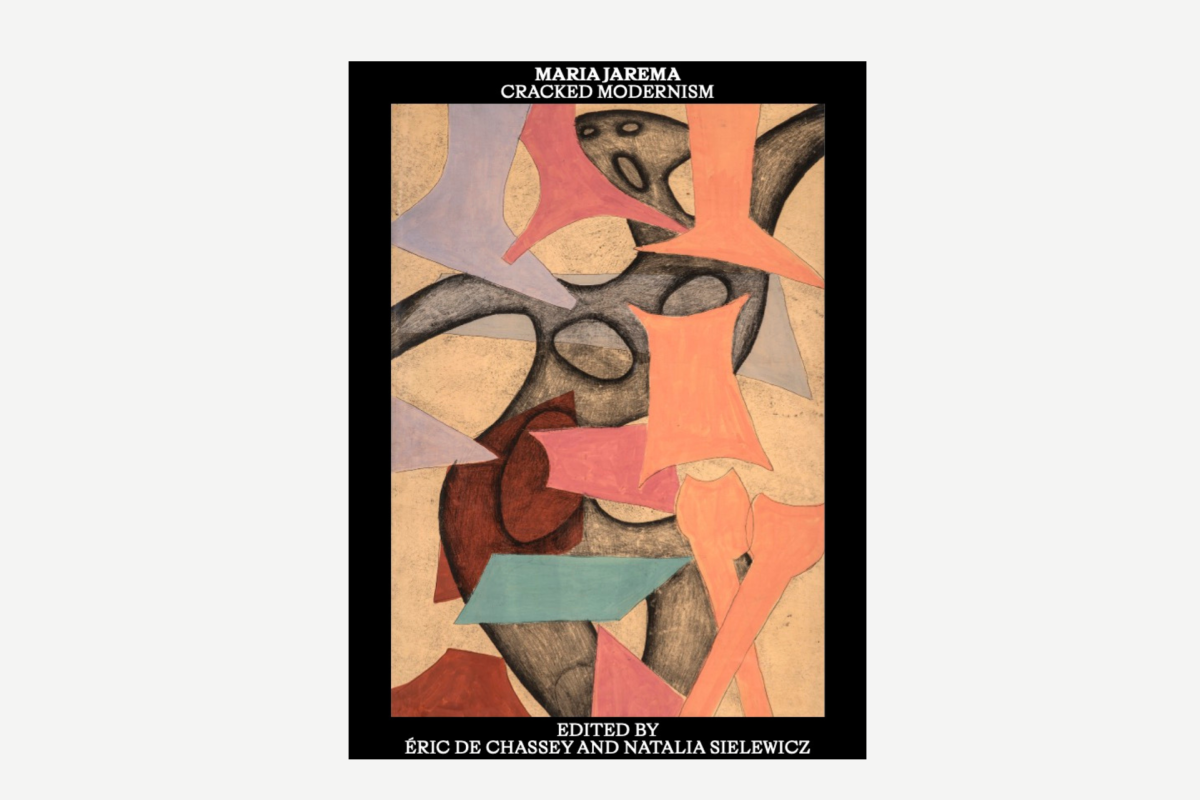
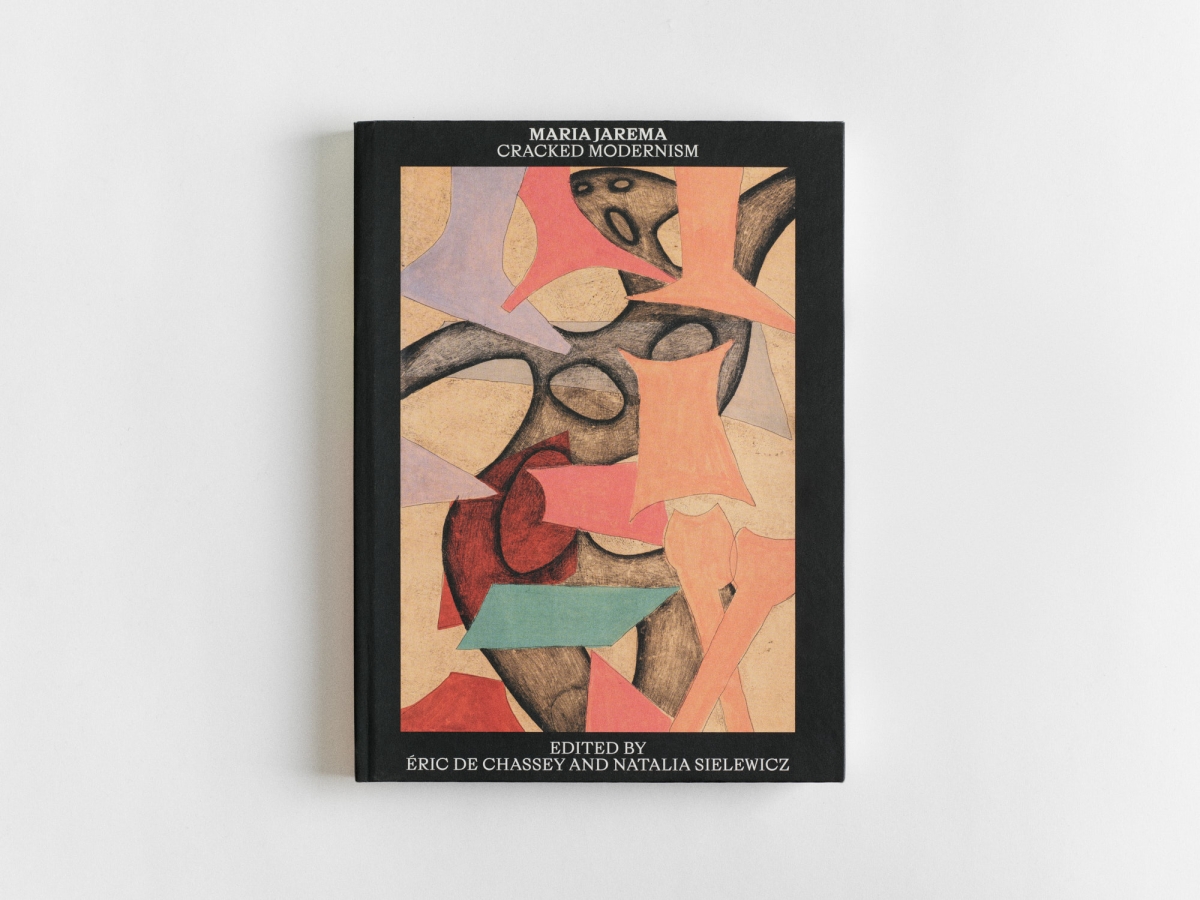
Maria Jarema. Cracked Modernism
Najniższa cena z 30 dni przed tą promocją: 169 zł
179 zł
199 zł
remove
add
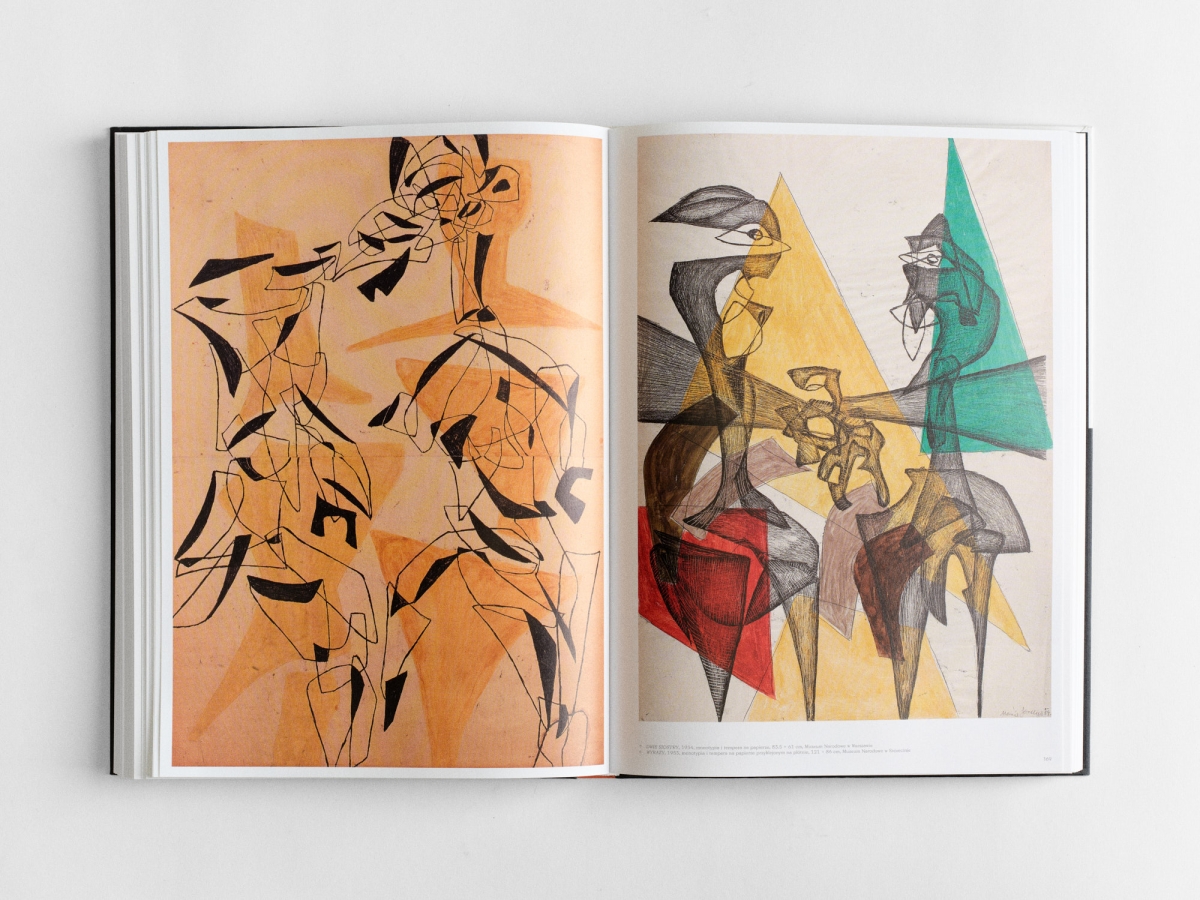
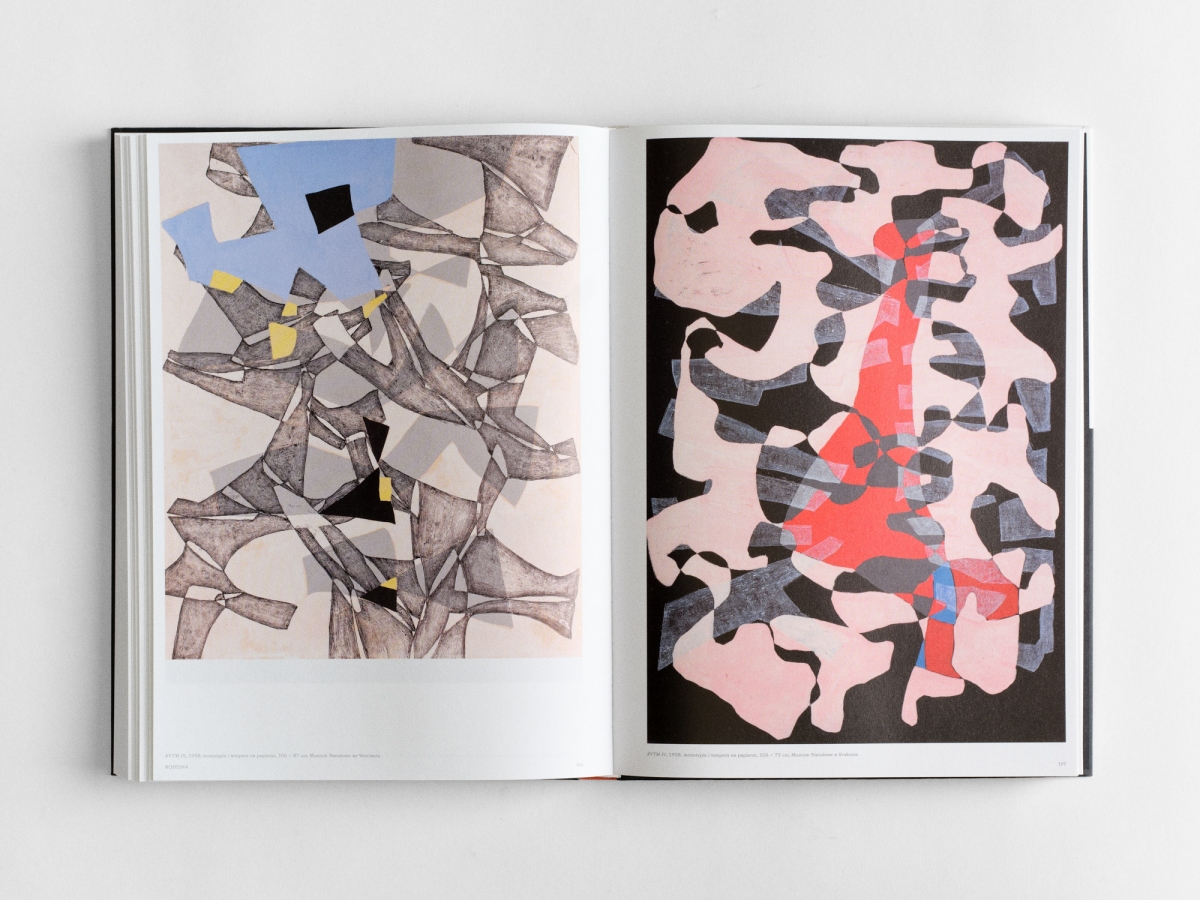
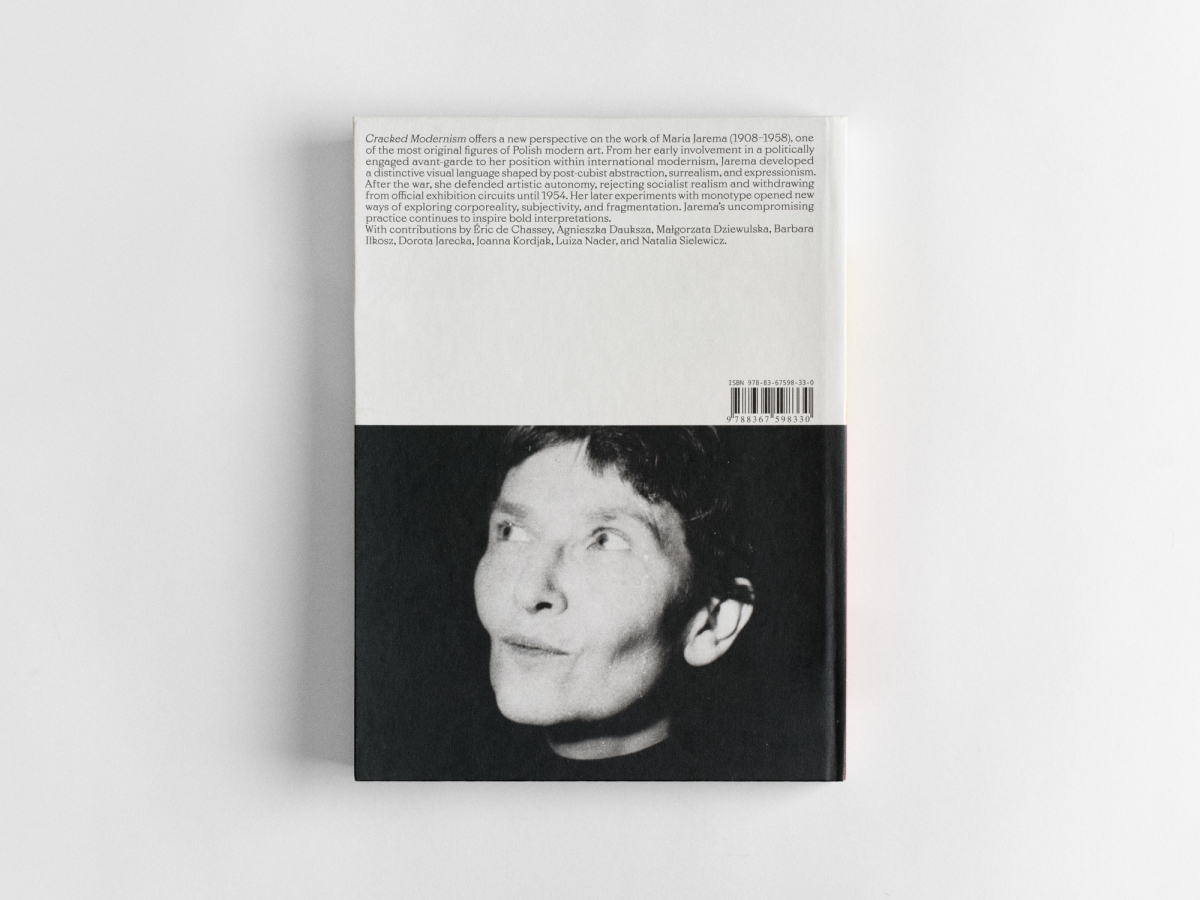
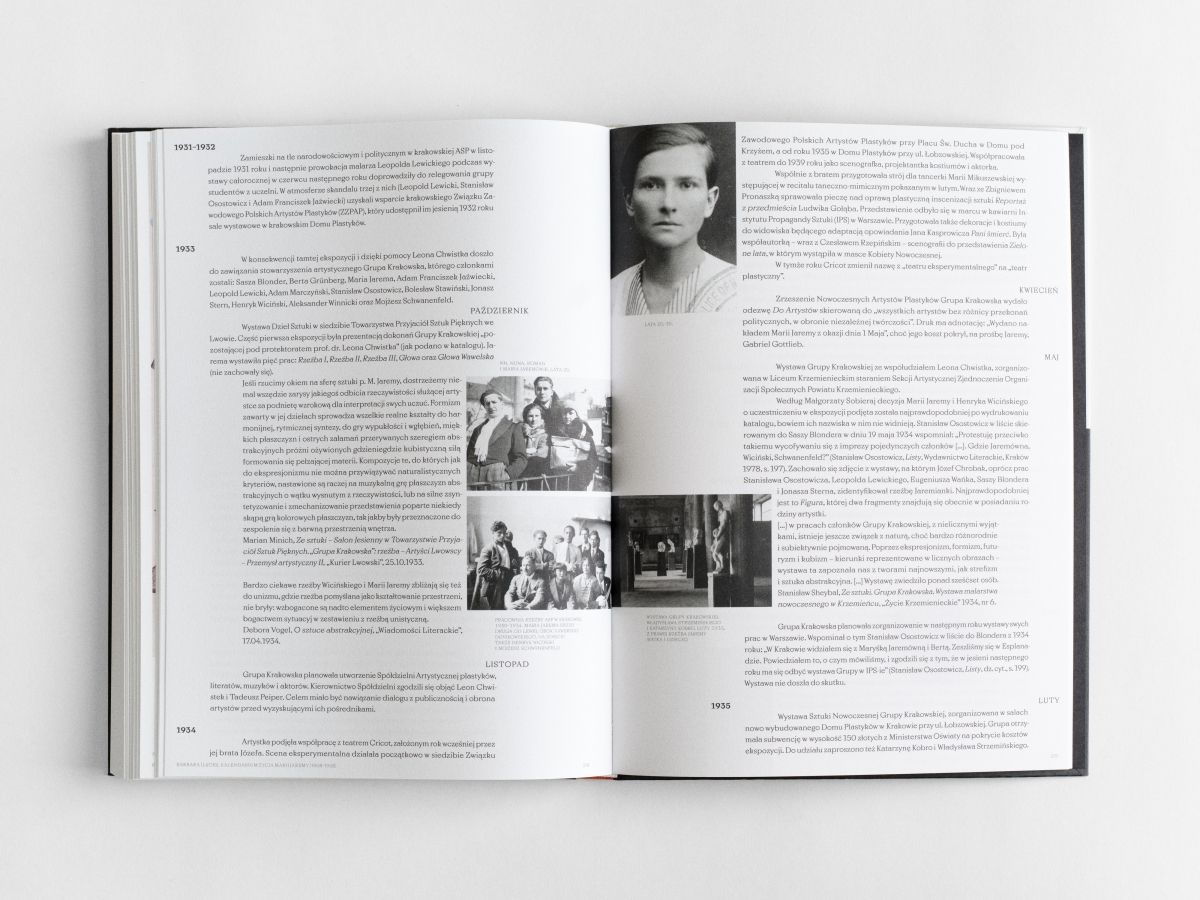
Cracked Modernism offers a new perspective on the work of Maria Jarema (1908–1958), one of the most original figures of Polish modern art.
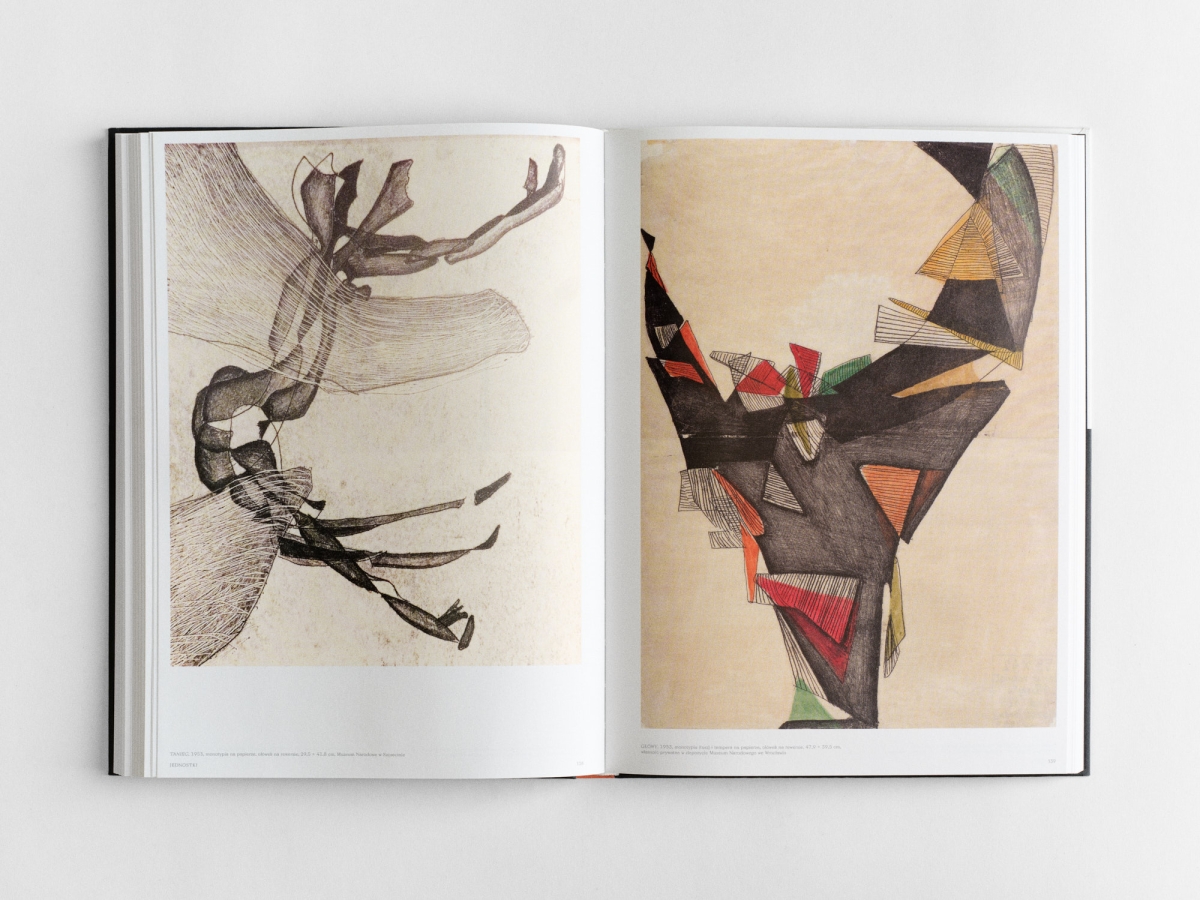
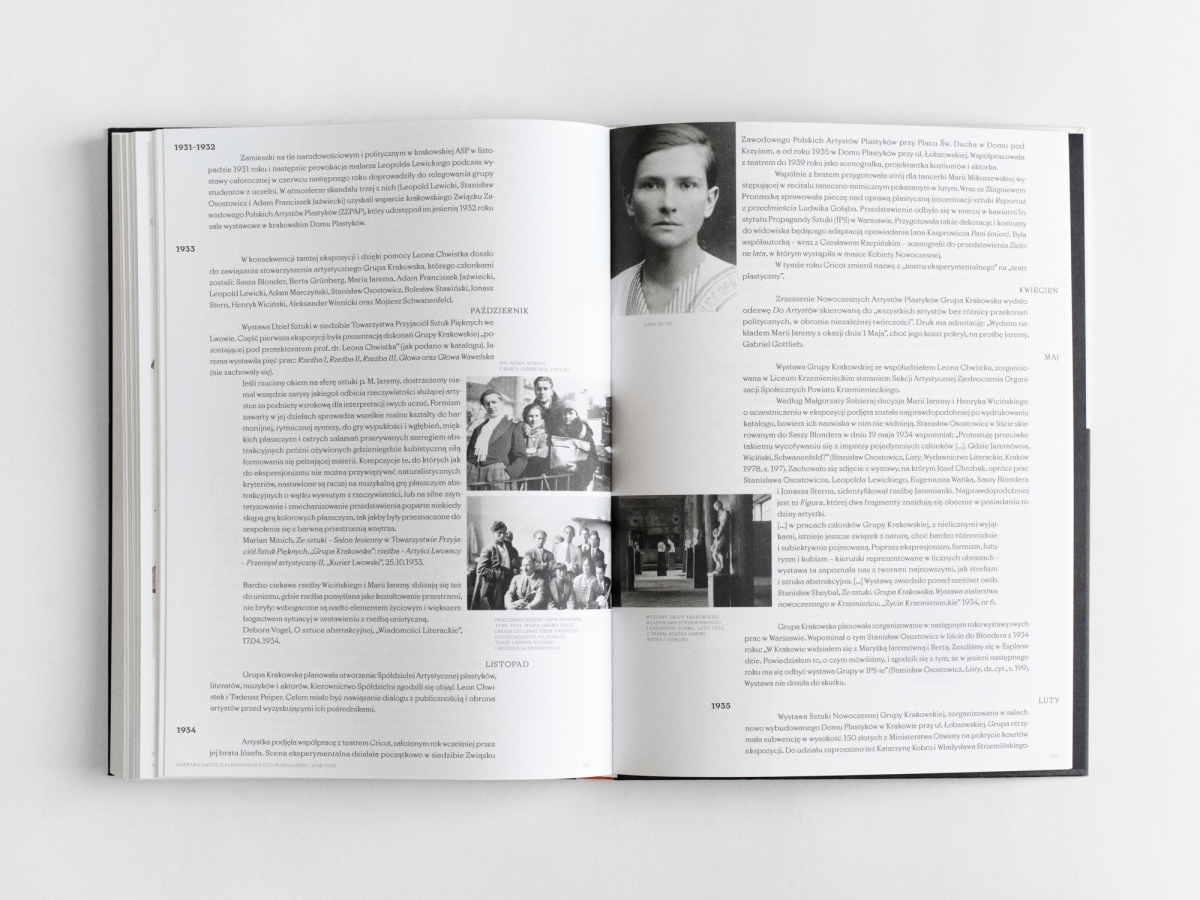
From her early involvement in a politically engaged avant-garde to her position within international modernism, Jarema developed a distinctive visual language shaped by post-cubist abstraction, surrealism, and expressionism. After the war, she defended artistic autonomy, rejecting socialist realism and withdrawing from official exhibition circuits until 1954. Her later experiments with monotype opened new ways of exploring corporeality, subjectivity, and fragmentation. Jarema’s uncompromising practice continues to inspire bold interpretations. With contributions by Éric de Chassey, Agnieszka Dauksza, Małgorzata Dziewulska, Barbara Ilkosz, Dorota Jarecka, Joanna Kordjak, Luiza Nader, and Natalia Sielewicz.
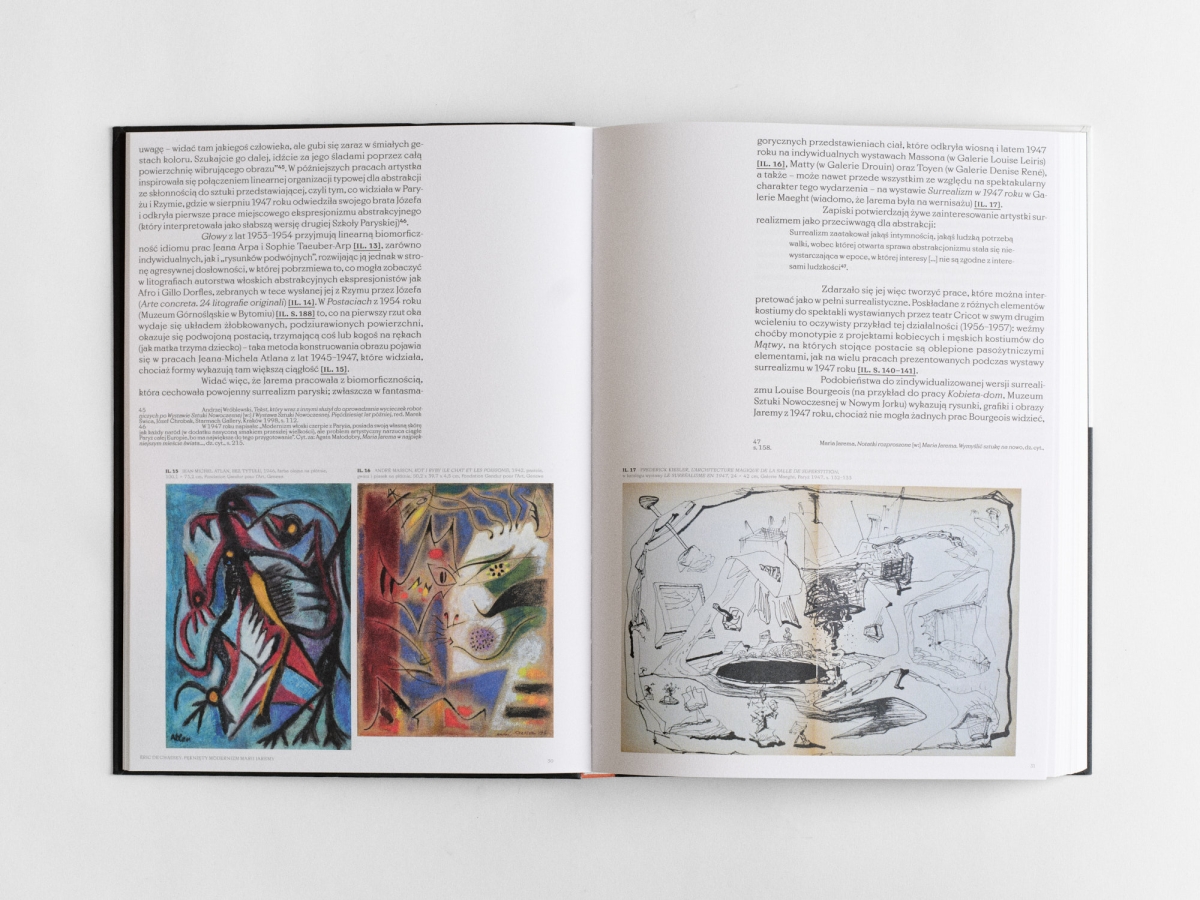
„Although a famous artist in Poland—once deemed “the greatest of the Olympian gods” by artist Jerzy Bereś—Maria Jarema has remained virtually unknown outside her native country. This might be the result of a lack of curiosity by international art historians, who still limit their interest in Eastern and Central European artists to token names such as Władysław Strzemiński and Katarzyna Kobro for the Polish interwar period, or Tadeusz Kantor and Alina Szapocznikow for Poland in the 1950s and 60s. It could also be a consequence of the fact that, at a superficial glance, Jarema’s work might look too similar to that of her contemporaries from the second School of Paris (the French version of abstract expressionism) and therefore be immediately dismissed as derivative. This similarity is not fortuitous, as Jarema always strived to be part of the international modernist strand, from which she adopted the lingua franca of post-cubist abstraction, but it would be largely misleading to reduce her to this adoption, and to understand her as an epigone. By wanting to remain truthful to herself (to her own personality but also her concrete situation in a specific location and con - text), she established her own brand of modernism, which can be understood and described as cracked modernism.”
from Éric de Chassey’s essay „Maria Jarema’s Cracked Modernism”
„This art is not about durable forms; it is about flow—a process in which force and finesse, domination and vulnerability are perpetually entwined. It is precisely within this choreography of energies that Jarema finds her own language, which, despite the passage of time, remains strikingly contemporary and opens a space of imagination freed from binary constraints.”
from Natalia Sielewicz’s essay „Entanglements and Collisions: On the Relationality of Forms in Maria Jarema’s Postwar Oeuvre”